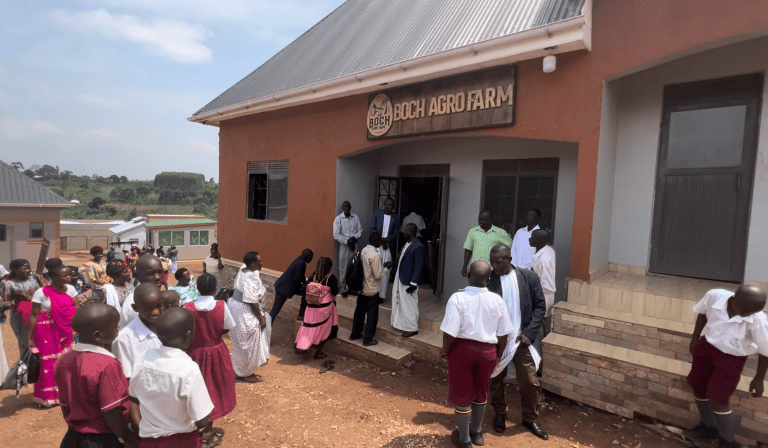
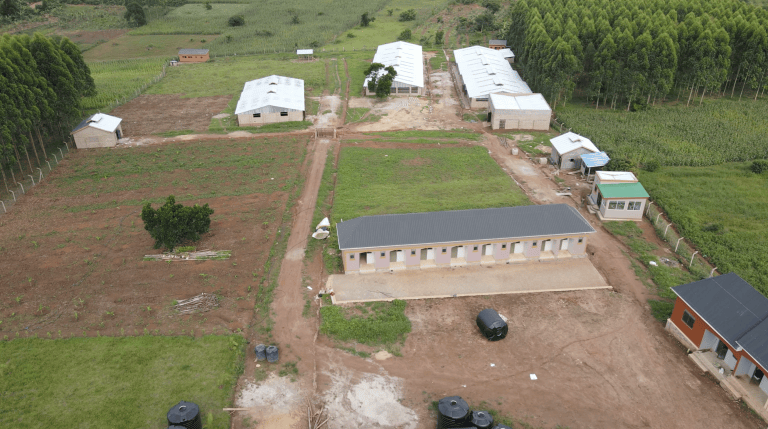
Progress continues at Boch Agro Farm as new equipment arrives, construction moves forward and more of the infrastructure needed to support day-to-day operations takes shape.
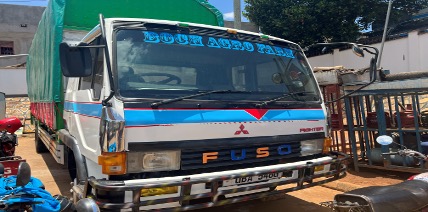
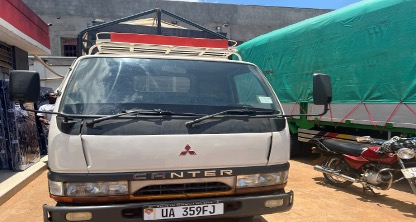
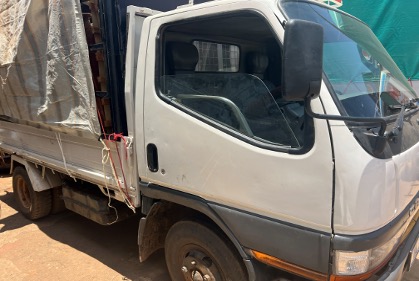
Among the biggest recent additions are two trucks purchased for the farm: a used Mitsubishi Fuso and a used Mitsubishi Canter. As agricultural activity continues to grow, vehicles like these add important transportation capacity to an operation that ultimately has to move people, materials and agricultural products between the farm and the surrounding community.
The additions are part of a much larger period of development across the property.
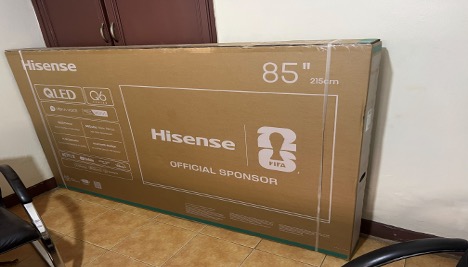
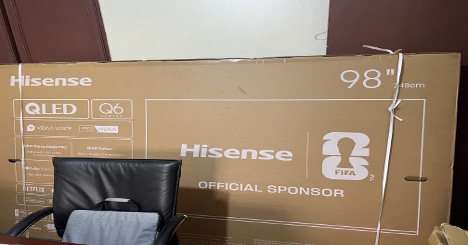
A 20kVA Perkins standby generator has been purchased and delivered to the farm, providing another piece of the infrastructure needed as the operation expands. Two new television sets, measuring 85 and 98 inches, have also been purchased for the site.
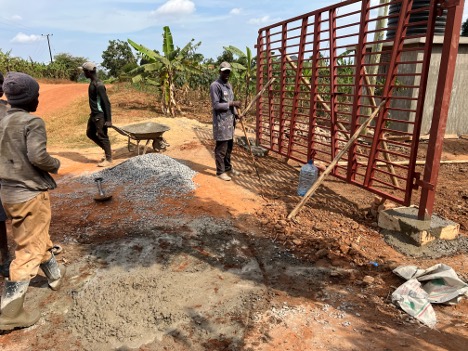
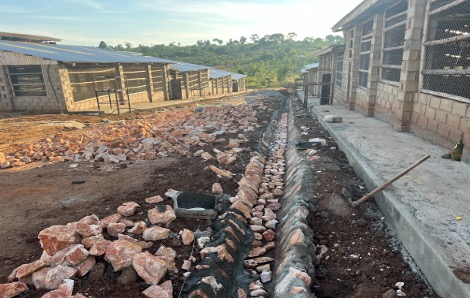
Construction remains active throughout the farm. Work is underway on the main entrance and gate, while trenches continue to be built between sections of the property. Solar-light poles have also been fabricated and delivered as work progresses on the farm’s outdoor infrastructure.
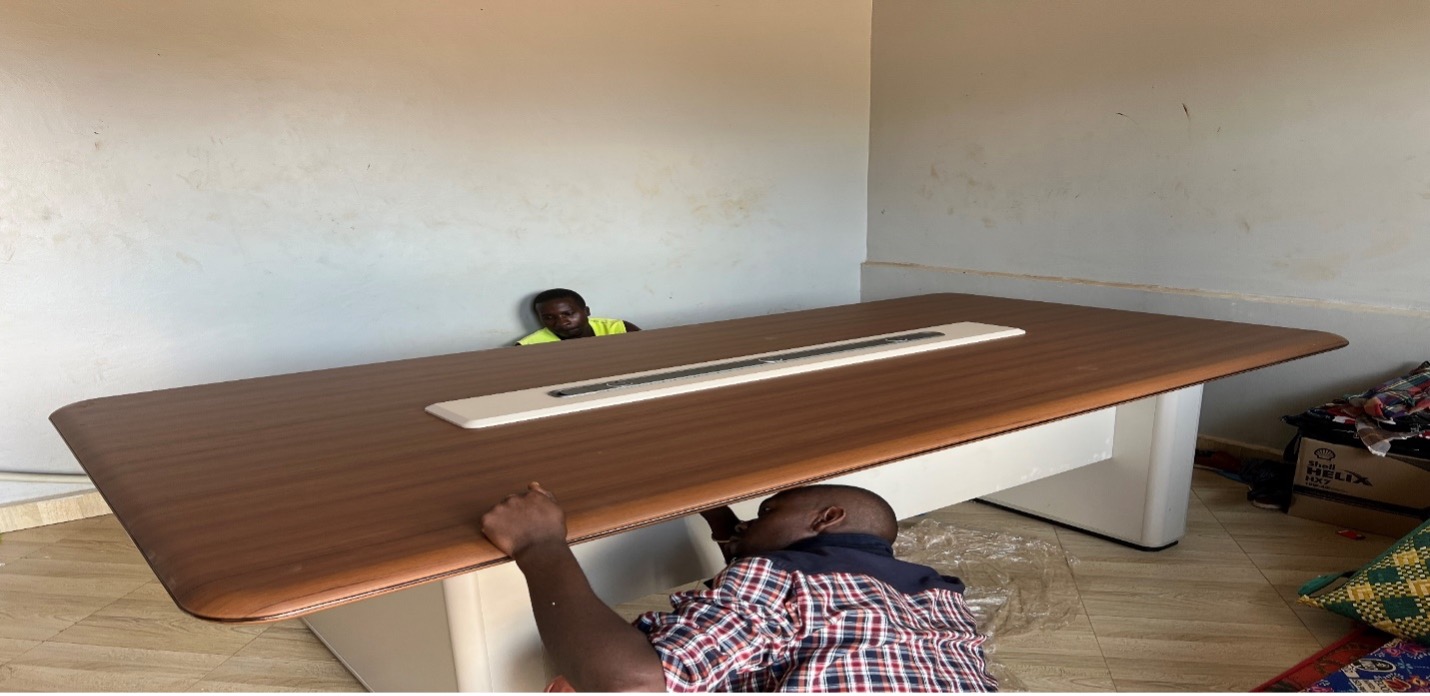
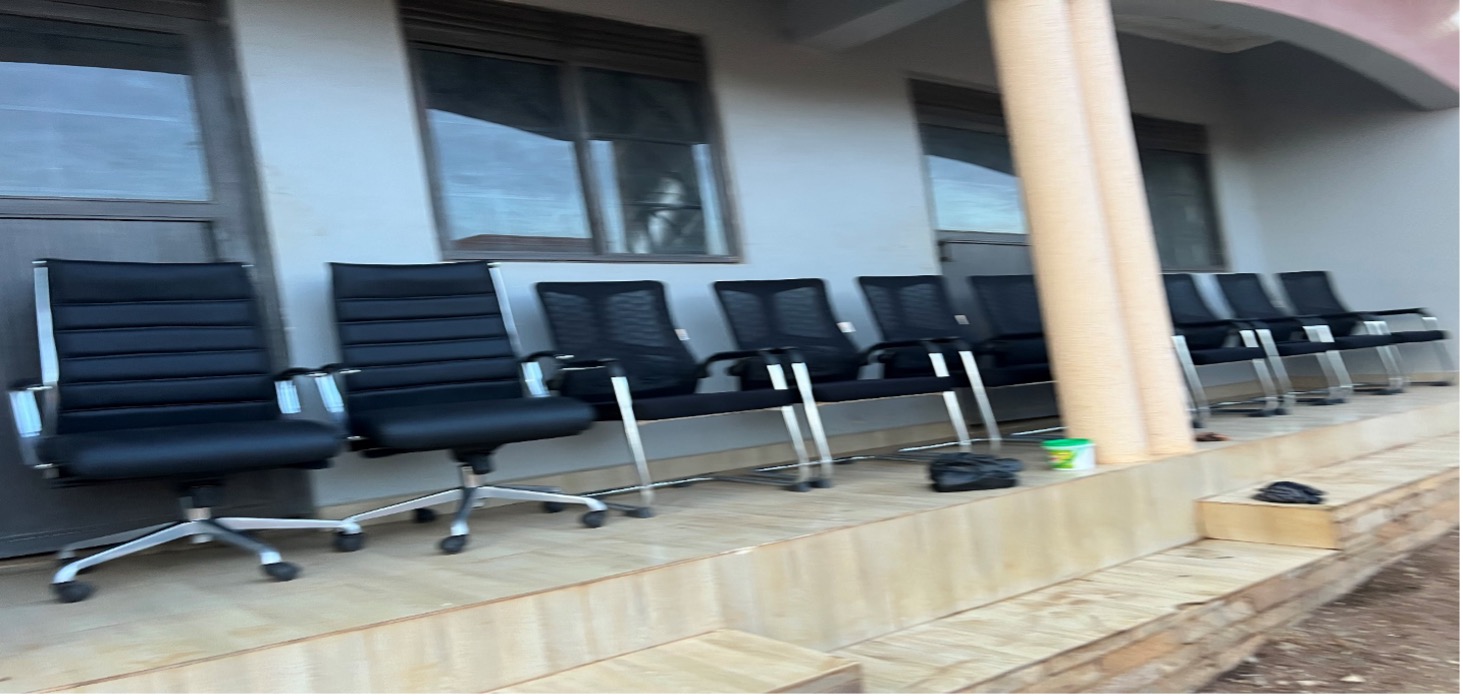
Inside, the administrative side of the operation is beginning to come together as well. Office furniture has now been purchased and delivered, helping prepare the property for the people who will oversee and manage the farm as it moves toward full operation.
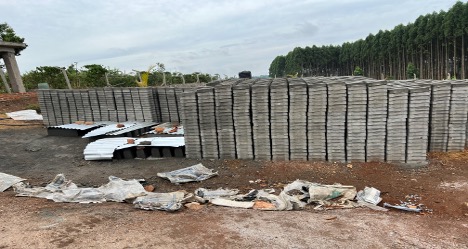
Road and site work continues alongside those additions. New pavers and road curbs are being cast on the property, another visible step in transforming the developing farm into a fully functioning agricultural facility.
Each of these individual updates is part of a considerably larger goal.
Boch Project Uganda’s agricultural initiatives are being developed to create reliable sources of nutritious food while also generating employment, training and economic opportunities in Wajinja. The Project’s developing poultry operation is planned to house approximately 21,000 chickens and employ more than 20 local villagers. Eggs and poultry produced there are intended both for the local community and Boch Café, with revenue from the operation helping support additional projects in the area.
Agriculture also has deeper roots in the work Boch Project Uganda has already completed in Wajinja. Access to clean water, one of the Project’s earliest initiatives, dramatically improved health in the village while also helping agriculture develop into a growing local industry.
That makes the continuing work at Boch Agro Farm about more than completing individual buildings or installing new equipment. Trucks, power, lighting, roads, workspaces and agricultural facilities all become pieces of the infrastructure required to build an operation that can produce food, create jobs and generate activity within the community for years to come.
With construction continuing and more pieces arriving at the farm, that larger vision is steadily taking shape.